AI Took the Cheap Half of Creative
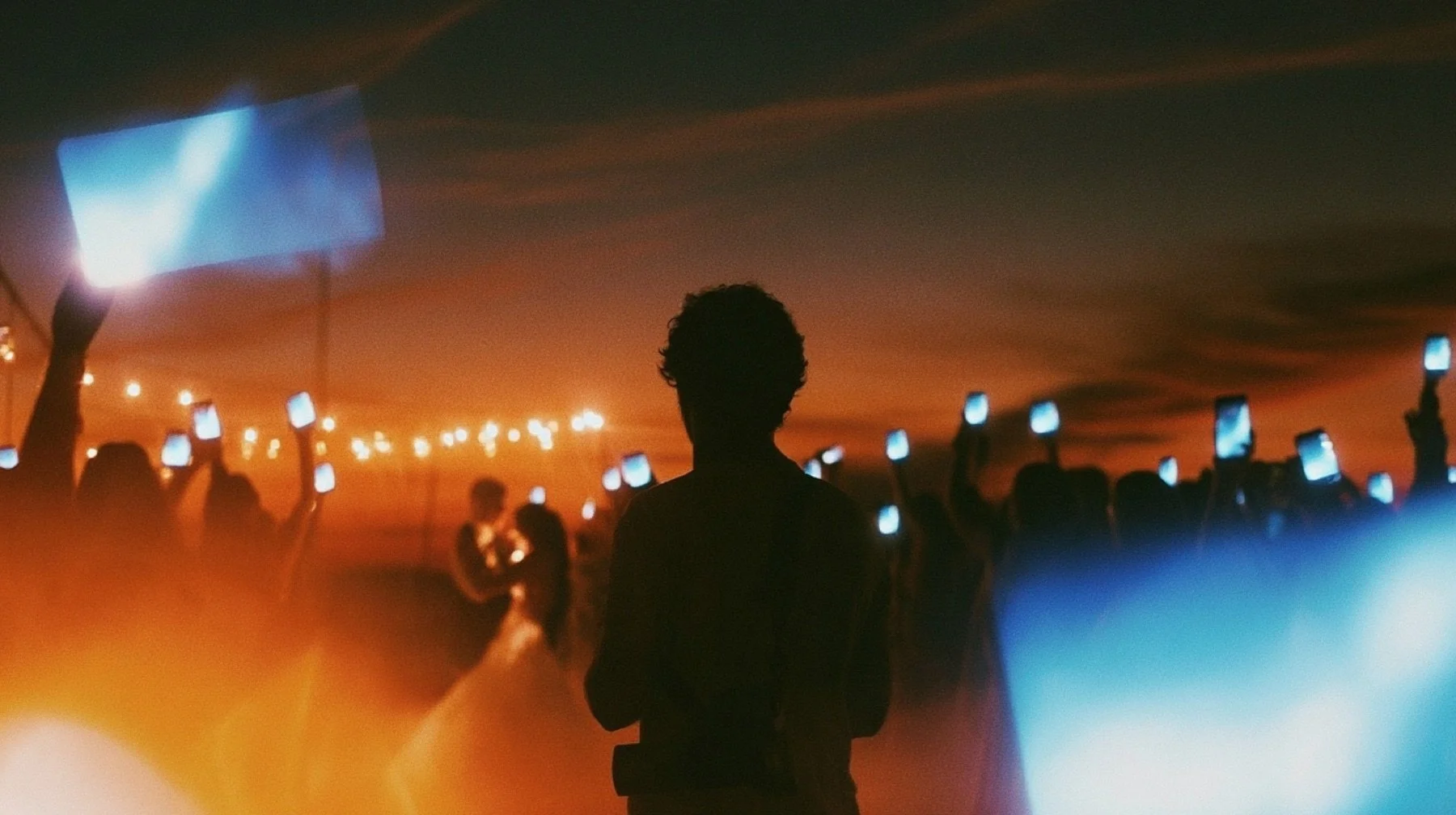
Everyone at the wedding has a camera in their pocket that’s better than the one the photographer carried a generation ago. The couple still pays the photographer, and not for the pictures. They pay for the person who takes four thousand of them and deletes all but the forty nobody will be embarrassed by in ten years. That’s a different job from pressing the button, and it’s the only part of the job that didn’t get handed out at the door.
Buying creative work for your brand is the same purchase now, and it got there fast. In February the payments company Ramp went through its customers’ spending and found freelance marketplaces had fallen from 0.66% of company budgets to 0.14%. Spending on AI models went from nothing to 2.85% over the same stretch. The money stayed in the budget and changed seats.
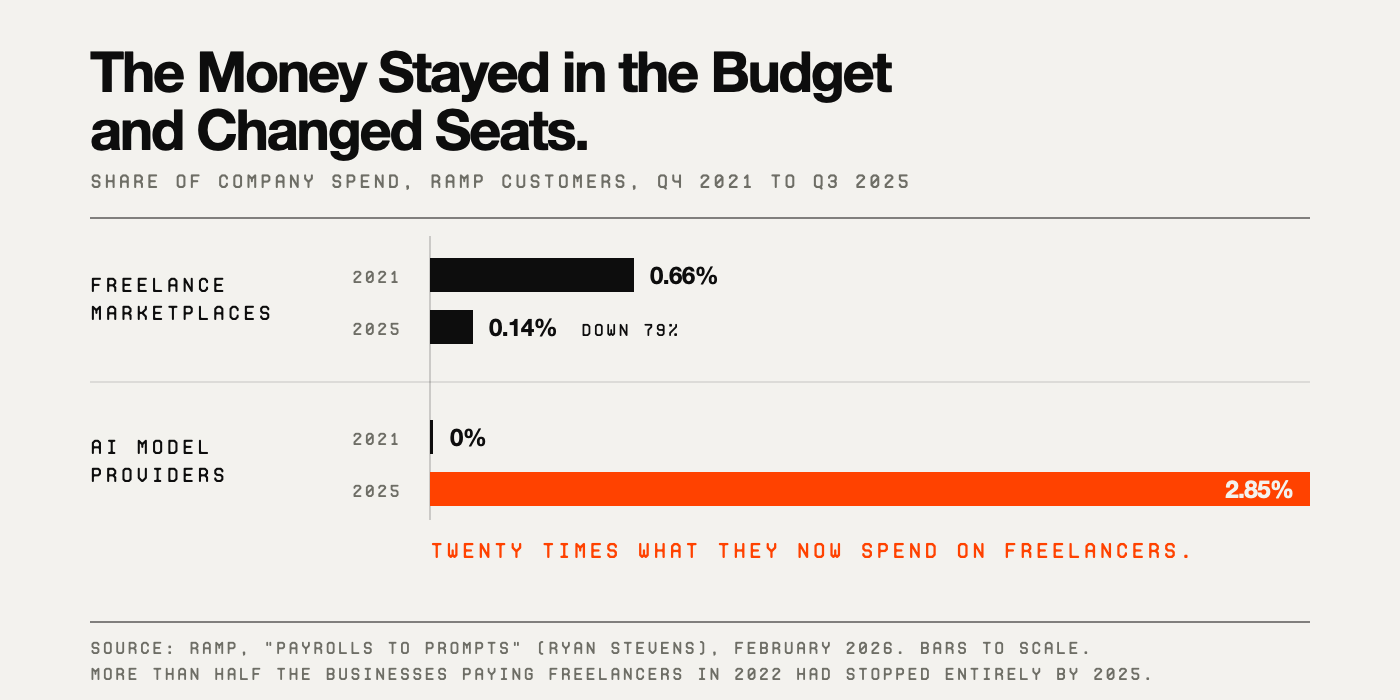
More than half the businesses paying freelancers in 2022 had stopped entirely by 2025, and if that’s you, you didn’t make a mistake, and I’d have made the same call. The output is close enough for most of what a brand ships in a week. A subscription costs less than an hour of a good freelancer, and the invoice never asks for a second round of revisions. Your evidence says it works, because the ads went out and the posts went up, and nobody emailed to say the logo looked like a robot made it.
So the work got cheap, and that’s the part everyone is looking at. The part nobody is looking at is what happened to the price of the one thing the subscription can’t do, and that price went up, because it’s now the only thing left to buy.
Everyone Has the Camera Now
Within eight months of ChatGPT’s release, a study out of Harvard and Imperial College found graphic design work on freelance platforms had shrunk 17%. Last year, according to Vollna’s analysis of 2.2 million Upwork projects, writing jobs on that platform were down 32% in a year, the steepest drop of any category. That’s the cheap half of the job leaving the market.
Entry-level projects on the same platform fell from 15% of the total to under 9%. The Brookings Institution put the monthly earnings hit for the writers who stayed at about 5%. That’s the camera going into everyone’s pocket, with the receipts attached.
It’s a real loss for the people it happened to, and this is the part of the piece where a branding person tells you a machine can’t replace human creativity, which is what every branding person has said since the week machines started replacing it. So skip that and take what the numbers say instead: the output got free, and free things don’t carry a price. Whatever you’re paying a creative for now, it isn’t the output. It’s the deleting.
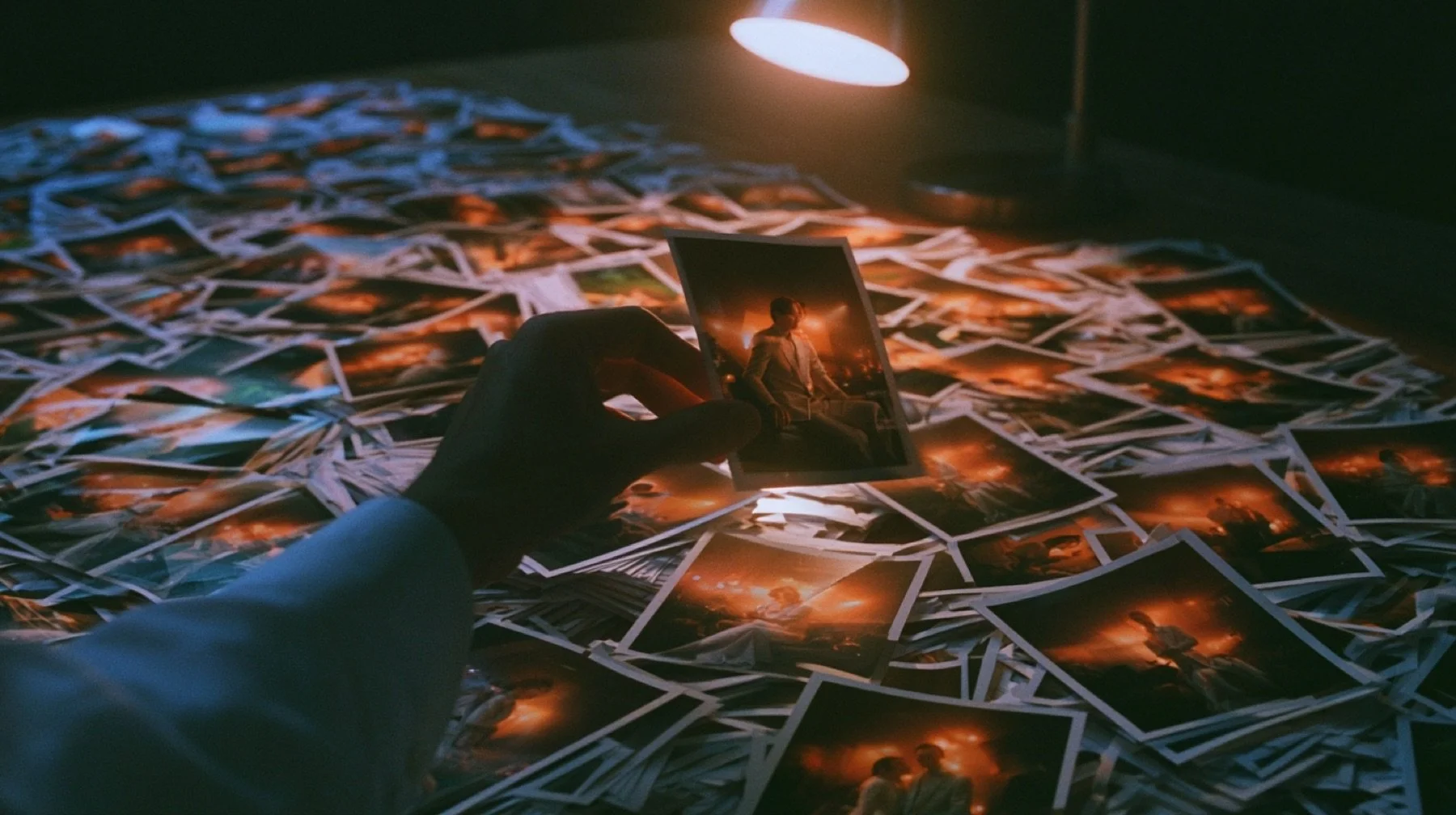
The photographer’s job was knowing which forty of the four thousand to keep. A designer’s job is knowing which of the two hundred options the machine will cheerfully generate is the one that looks like your company, and not like the other eleven brands in your category that fed the same prompt into the same model. Refusing to ship the one you liked, when the reason you liked it was that it looked like everyone else, was always the job too. That judgment was always most of the invoice. For twenty years the pixels were just expensive enough to hide it.
Coca-Cola Ran the Experiment for You

The biggest advertising budget on earth tested this, twice, in public. In November 2024 Coca-Cola released a holiday ad made with generative AI, and viewers picked apart the faces and the trucks that changed shape between frames. Twelve months later, in November 2025, it released another one, animals instead of people, and the reaction was the same, with fresh calls to switch to Pepsi. Coca-Cola’s global vice president for creative strategy and content, Islam ElDessouky, told Marketing Dive the company would keep going, and he explained the bet in one sentence.
“The masses, the audiences, do not necessarily look behind the technology. They just look at the story that they’re receiving, and then they respond to it.”
That’s the bet, stated by the people best able to afford losing it, and it’s the same bet a twenty dollar subscription makes on your behalf every time you hit generate.
Kantar tested whether the masses actually respond. In December its head of creative excellence, Lynne Deason, reported on 356 AI-generated ads and on Coke’s in particular. The 2024 version with the AI people got a lower emotional response, with viewers registering surprise where a Christmas ad wants a smile, and across the whole set, in her words, “when generative AI is obvious or poorly integrated, it can hurt performance.” Branding, the part that makes a viewer remember whose ad it was, “tends to be a little bit lower in generative AI ads.” Coke can afford to be a little bit lower. It has a truck tour.
You don’t get two Christmases. A founder finds out once, from one quarter’s sales number, in a spreadsheet, about six months after the ad ran, and the spreadsheet doesn’t say why. (It never says why. That is the entire business model of spreadsheets.)
The audience isn’t as indifferent as Coke’s bet assumes, either. Klaviyo asked 8,000 shoppers across eight countries at the end of last year what visible AI-generated marketing does to their trust in a brand. Seven percent said it went up. Thirty-one percent said it went down. Four people lose a little faith in you for every one who gains it, and none of them sends a note. They just stop coming back, quietly, which is the expensive way to find out.
The Machine Every Competitor Is About to Use
The Wall Street Journal reported in June 2025 that Meta intends to fully automate advertising by the end of 2026: a brand uploads a product photo and a budget, and the system picks the strategy, writes the copy, makes the visuals, and places the media on its own. In January the IAB found 86% of media buyers already using or planning to use AI to build their video ads. This is the year it stops being an experiment and starts being the default setting.
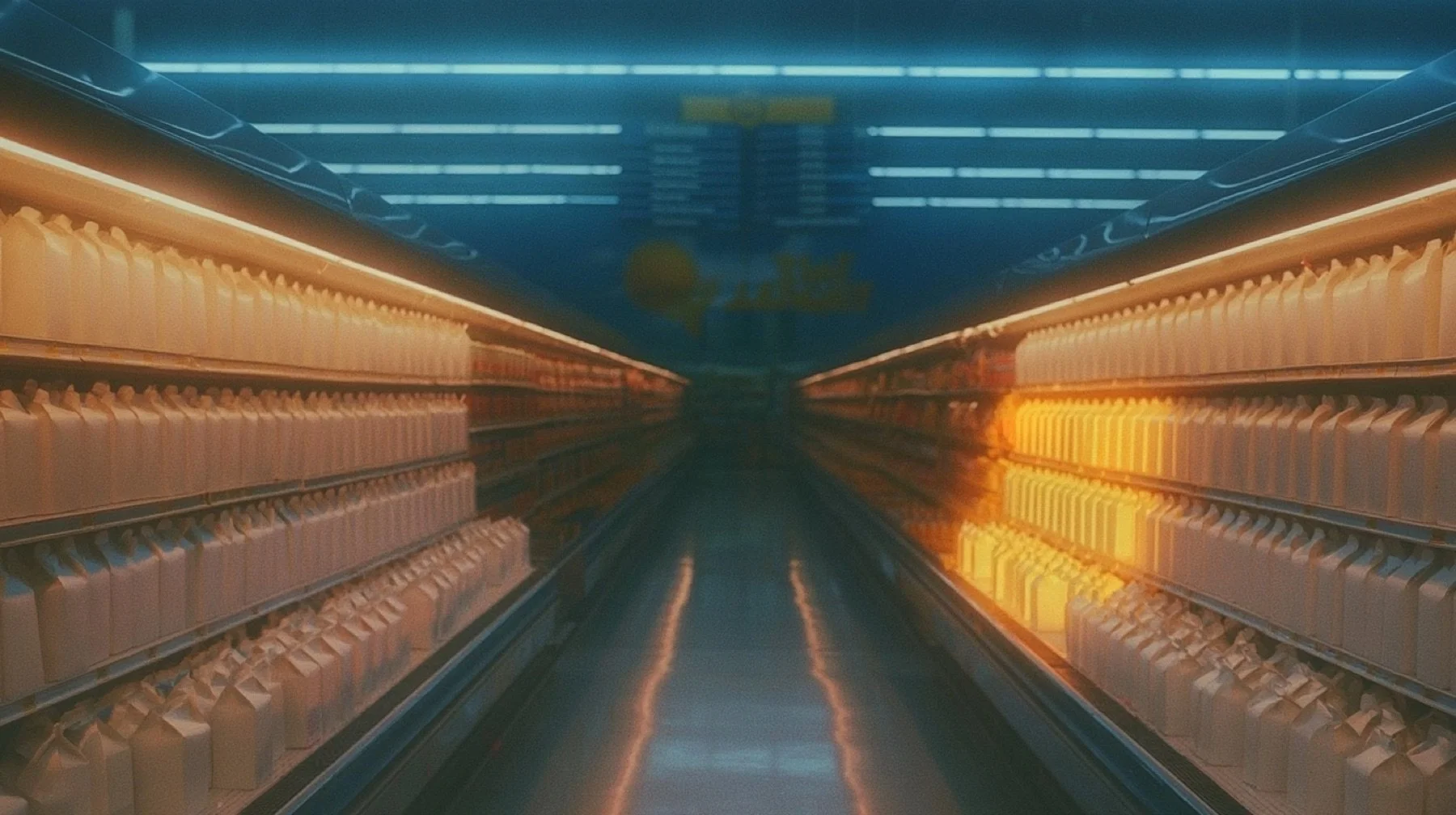
Every brand in your category feeds the same product photo into the same model with the same budget slider. The model does what it was built to do, which is give all of them the average, and the average is what a store brand looks like. You’ve stood in front of this shelf. The good product in the average box gets the average price, and nobody can tell you why. There’s nothing to point at, and nothing to point at is the most expensive thing a brand can own. It’s the discount you didn’t know you were giving, and this time the box is the ad.
I want to be careful here, because this argument doesn’t say don’t use the machine. Use it for everything it’s good at, which is most of the volume. The argument is about the one job left over, the deleting, and about who you’re paying to do it. Right now a lot of founders are paying nobody and assuming the machine has taste. It has an average. Those are different things, and the difference is what the customer prices.
The One Question Before You Cancel Anyone
Before you cancel the designer or the writer, ask them one thing, in writing, so you have the answer: what’s the last thing you refused to ship for me, and why. If they can’t name one, cancel them and mean it, because the subscription really will do the same job for less and you’ve been paying a person to press the button. Someone who names one, and whose reason is about your customer and not their own taste, has just handed you a sentence to write down somewhere you’ll see it again. That sentence is the whole invoice. It’s what the photographer was always charging for, and the machine can’t do it, because the machine doesn’t know which forty, and worse, it doesn’t know that it doesn’t know.
Until about a year ago I thought the answer was to hire the people who could out-draw the machine. I watched a few of them try, and I was wrong. Nobody out-draws it. The ones still getting paid are the ones who’ll look a founder in the eye and say no. Five years from now, the ones still getting paid will also be able to say why, in a sentence the founder can repeat in the next meeting.
I work on exactly this, and the work speaks for itself at /the-work.
The camera is free and it’s in your pocket, and it’s in everyone else’s pocket too, and the wedding album still costs what it costs, because somebody has to be the one who deletes the picture of the best man, and that person was never selling you the fucking camera.
TL;DR
Companies cut freelance creative spend from 0.66% of budgets to 0.14% and moved it to AI, per Ramp.
The output got free. The judgment about what to ship and what to refuse is now the only thing left to buy, and its price went up.
Coca-Cola ran the test twice and got mocked twice. Kantar found branding runs lower in AI ads, and Klaviyo found 31% of shoppers trust a brand less when they can see it.
Meta plans to automate advertising by the end of 2026. When every competitor feeds the same machine, the average is the new store brand.
Ask your creative what they last refused to ship for you and why. That answer is the invoice.
Common Questions
Should I stop using AI for my brand’s creative work?
No, and nothing in this piece says so. Use it for the volume, which is most of what a brand ships in a week. The argument is about the one job it can’t do, which is knowing which of its two hundred options is yours and refusing the rest, and about making sure someone is doing that job rather than assuming the machine has taste.
How do I tell a real creative from someone just pressing the button?
Ask what they last refused to ship for you and why. A person doing the real job can name one, and the reason will be about your customer, not their preferences. A person pressing the button will tell you about their process instead.
Isn’t Coca-Cola a bad comparison for a small brand?
It’s the best one available, because Coke could afford to be wrong twice in public, and Kantar still measured branding running lower in the AI versions. You get one attempt, you find out from a quarterly sales number, and nobody explains why. The gap between you and Coke is that Coke has a truck tour to fall back on.
What happens when everyone in my category uses the same AI tools?
You all get the average, and the average is what a store brand looks like. The customer then prices your good product like a store brand, and the difference is a discount you never approved. The only way out is the part the machine doesn’t do, which is the deciding.
Need a Brand Built for Your Battle Flag and Your Bottom Line?
Click below and get a no cost no commitment assessment.